
Do you find moving home stressful? It’s very likely you do, and this is only natural.
Now, imagine how your dog might feel.
In the weeks running up to the move, all aspects of your dog’s normal life will become uprooted, from their normal routine to their belongings, even to the smell of their home.
Unfortunately, you cannot explain to them why everything they know is suddenly changing, but you can help to make the transition from one home to another less stressful for them, and here’s how you can do it.
Saying goodbye to your old house doesn’t have to be ruff! Discover expert tips for creating a safe space, packing familiar items, and helping your furry friend adjust to a new environment.
Consider Using a Boarding Kennel
If your dog is of a nervous disposition or if they are known to react badly to changes in their normal routine, then you may want to consider placing them in a boarding kennel for the duration of the packing and moving process.
If you do decide to go down this route, then make sure you choose a kennel that you have either used before or one that has been recommended by a friend or family member. The last thing you need is additional worry about your dog’s wellbeing when you are moving home.
You will also need to ensure that the necessary vaccinations are up to date if you choose this option.
Keep Your Dog Safe
If you decide to keep your dog with you as you move, then on moving day itself you should shut your dog in a room within your home in which they feel most comfortable. Make sure they have access to water and feed them as normal. Your aim is to keep them as calm as possible, and save them unease.
Choose a Guardian
It can be a good idea on moving day to nominate one family member to care for your dog. This way you know that someone is always looking out for them and ensuring that they are safe and content throughout the moving home process.
It is also recommended that you keep your dog on a lead or in a secure cage when you move, so to minimise the risk of them escaping or running off.
Travel Safely
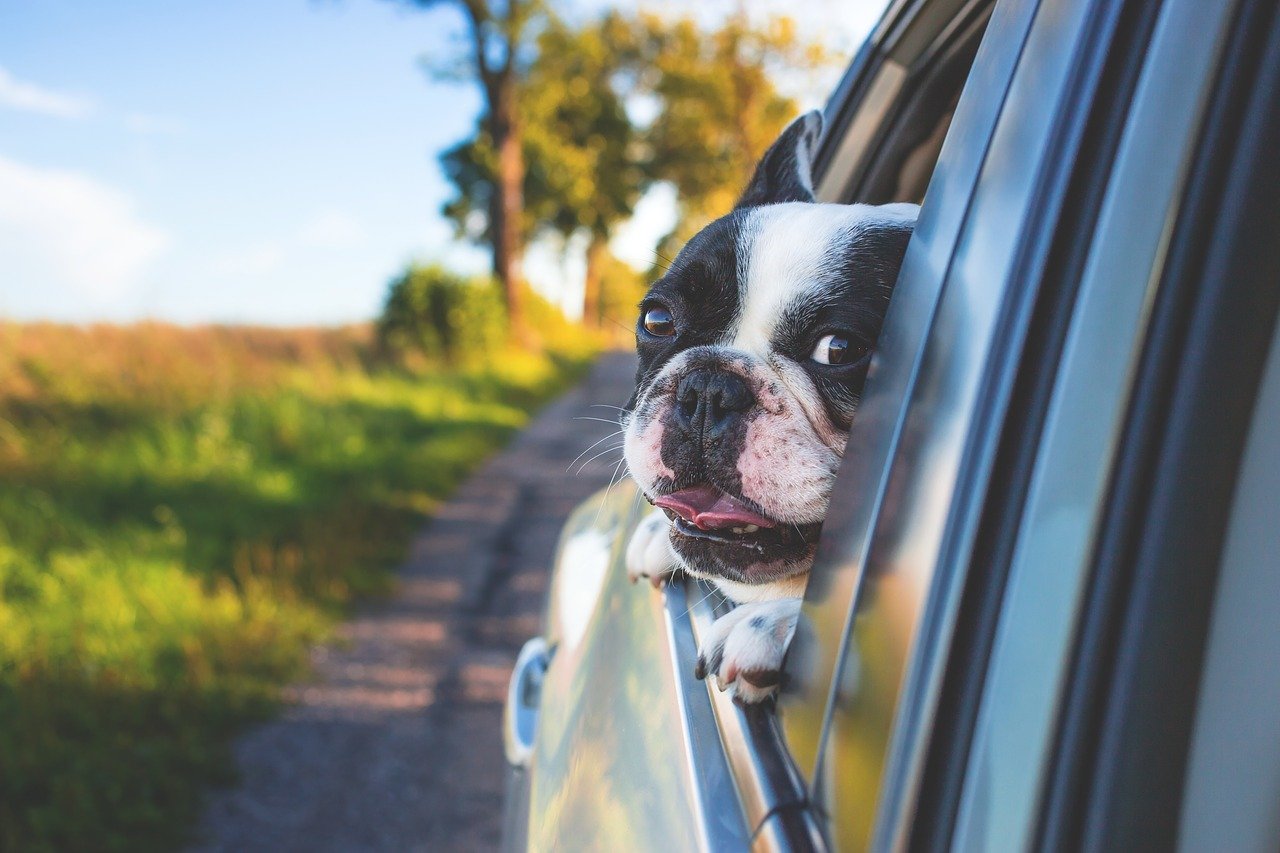
It is advisable to transport your dog in a secure cage, however, if this is not possible, then ensure that they are safely fastened in your vehicle with a purpose-made seatbelt or dog harness.
You should never drive with your dog unsecured in the boot of your car or in the removal van, as this can be extremely dangerous for them.
Always make sure your car is well-ventilated, especially if the weather is warm, and stop to give your dog a drink and comfort break if the journey is long.
Make Your Dog Feel at Home
Once you arrive at your new home, it is a good idea to transfer your dog’s scent into your new property before you let them in to explore. Simply gently rub a blanket or a cloth over your dog’s face and then transfer their scent into several areas of your new home.
Another easy way to make your dog feel at home is by unpacking their belongings, and by regularly feeding them so that they associate their new surroundings with a positive and familiar activity.
Go For a Walk When You Are Ready
Unlike with a cat, you can take your dog out for a walk to explore its new surroundings as soon as you want to. Although, even in suitable, off-lead open areas, you will probably want to keep your dog on a lead for the first few walks at least, just until both you and your dog are more familiar with the area.
You should also ensure that your dog is microchipped and that their contact details are up to date. Failing that, a traditional collar and tag with your name, address and contact phone number will be sufficient.
Discourage Visits to Your Previous Home
If you have not moved very far away, you may find yourself walking similar routes with your dog and they may try and direct you towards your old property. This is not a good idea as you want your dog to bond properly with your new home, which can be made even more challenging if they are reminded of your old one!
Instead, focus on forming positive associations with your new house by feeding your dog frequent meals and giving them lots of attention, both when in your new home and when out and about in the local area. You should also focus on playing with your dog more than usual if possible and spend time grooming them so that they feel relaxed and at ease in their new surroundings.
Interested in Moving House?
For impartial property advice contact our expert team at Elizabeth Humphreys Homes on 01665 661170 and we will be delighted to assist.
Frequently Asked Questions About Moving House with Your Dog
How can I help my dog adjust to the disruption of a move?
As any dog parent knows, most dogs thrive on routine. Try to keep your dog’s usual routine, including feeding schedule, walks, and playtime, as consistent as possible in the few weeks leading up to the move. If your dog struggles with change, consider using a pet sitter or boarding kennel to minimize stress.
What should I do with my dog on moving day itself?
Create a calm, quiet space for your dog inside your current home on a moving day. This could be a familiar room with their dog bed, favourite toys, and a water bowl. Assign someone, like a family member, to supervise them and keep your dog calm throughout the move.
How can I help my dog settle into a new home and new environment?
Bring familiar items like their bed, blanket, and a toy with you to the new house. Let your dog sniff these items first before fully exploring the new space. Maintain their regular feeding schedule and take them on short walks around the neighbourhood to get them accustomed to the new sights and smells.
What other safety measures should I take to ensure my dog feels secure in our new place?
Update your dog’s collar with your new address and phone number. Ensure their microchip information is current in case they escape during this time-consuming transition. In the first few walks at your new place, keep your dog on a lead to get them familiar with the new environment and prevent them from trying to return to your old house.